

It’s another Sunday, and that means we have another discussion ahead of us. This week I want to discuss creative license. This is when an author intentionally strays from accepted facts to achieve an artistic goal. I’ve encountered this most often in historical fantasy—where the author changes an element from history. Some examples where you can find this are Dread Nation by Justina Ireland, The Poppy War by R.F. Kuang, The Yiddish Policemen’s Union by Michael Chabon, Outlander by Diana Gabaldon, and Foul Lady Fortune by Chloe Gong.
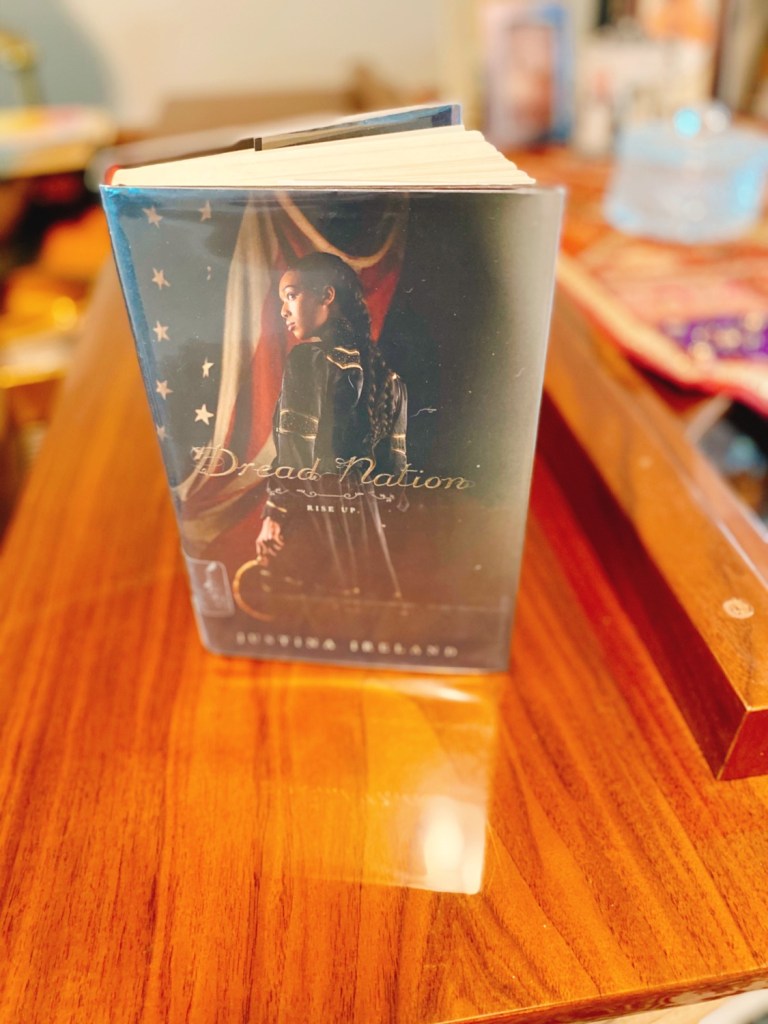
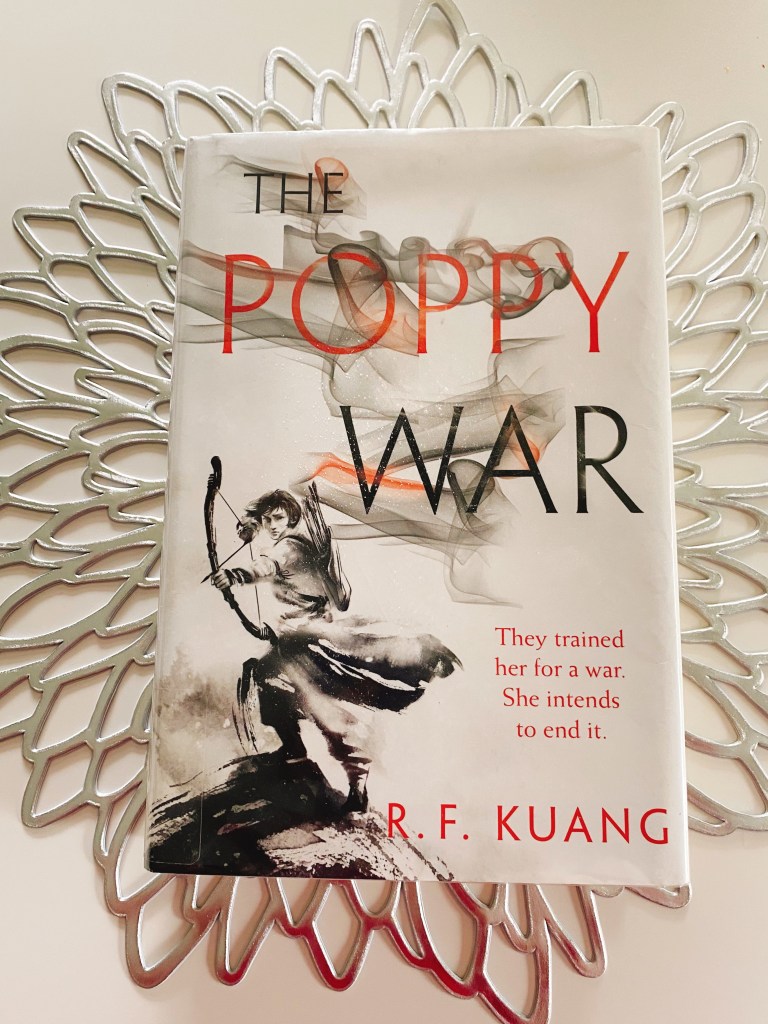

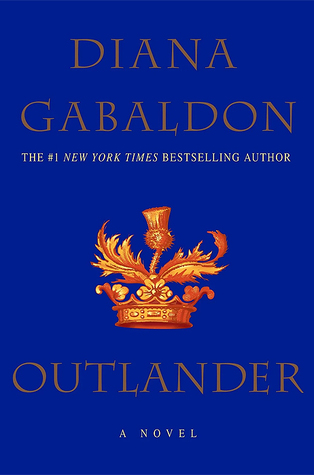

In my opinion, I think that creative license is an awesome thing when it is done well. I find that I do best with creative license when liberties are taken but the author doesn’t go overboard with it. You can see this really clearly in Dread Nation, a book set around the time of the Civil War, and The Yiddish Policemen’s Union, a book that examines what would happen if the Jewish people did not have Israel, but instead were pushed aside to a small area of Alaska. Both of these got around historical facts and worked in their own aspects of it, but they also kept realistic aspects of the times in the book—racism, prejudice, antisemitism, and xenophobia among others. These kind of stories require some level of willing suspension of disbelief, but still make things feel as realistic as they can in the framework of the story. Something like Outlander is meticulously researched, and the historical facts are kept as similar as possible to reduce the amount of suspension of disbelief in a book series that already asks readers to believe that characters can travel through time magically.
However, creative license can be taken too far, in my opinion. I personally find it really hard when there’s examples of things that shouldn’t be in the book as a result of the author not doing research. Last year, I read Foul Lady Fortune by Chloe Gong, and I found it so disappointing to see so many modern items mentioned in a book that was set in 1931. Characters were using things like plastic containers to store their food, and carrying things in plastic bags, as well as using modern language terms like “barf,” “serial killers,” and “duh,” at a time when none of these things were even used as words. It was an incredible letdown to see the lack of research, and it kept pulling me out of the story. I can appreciate that finding the right amount of creative license is a difficult task, but I think it’s important for an author to pay attention to.
What do you think of creative license in a book? Do you read alternative history novels? Why or why not?
Categories: Sunday Bookish Discussion
 Leah's Books
I feel like I have much higher standards for historical accuracy in books than in TV and films. For example, if I read Foul Lady Fortune and kept seeing words like “barf” and “duh”, I’d be pulled out of the story in the same way you were. But with TV and films, I can watch characters using modern slang or doing things like dancing to David Bowie songs in ‘A Knight’s Tale’ and find it charming rather than weird.
LikeLiked by 1 person
That’s funny, because I remember trying to watch A Knight’s Tale and just not loving it for the same reason! I guess I struggle with the same issue across all media, and never realized until just now.
LikeLiked by 1 person
Some people are definitely more purist than others when it comes to historical accuracy!
LikeLiked by 1 person
I guess so – it’s weird, because I loved the Romeo + Juliet with Leonardo di Caprio and Claire Danes, which is also a weird mix of historical and contemporary.
LikeLiked by 1 person
Yes! That’s the opposite of the modern trend for period costume dramas with modern-sounding language and manners.
LikeLiked by 1 person